Mold. Lead. Asbestos.
Those 3 words do not give me a warm and fuzzy feeling. I would bet you feel the same. These are 3 of the most hazardous health issues in homes built before 1978. The National Association of Realtors (NAR) recently wrote an article on the issue and precautions that I want to reiterate.
First of all, the main issue with these 3 dangers is when renovating a home. It left untouched or damaged, the issue is not as dangerous. But honestly, who keeps their 1960s bathroom or 1921 electrical? We don’t. So walls get torn down and renovation happens over time. Homeowners need to take necessary cautions when dealing with older homes. And remember, any home could have mold.
From the article: “It is important that the homeowner have asbestos, mold and lead identified and removed prior to [renovation],” says Diana Melichar, president of Melichar Architects in Lake Forest, Ill. “Environmental consultants and contractors can test for air quality and dangerous materials, and then remove them.”
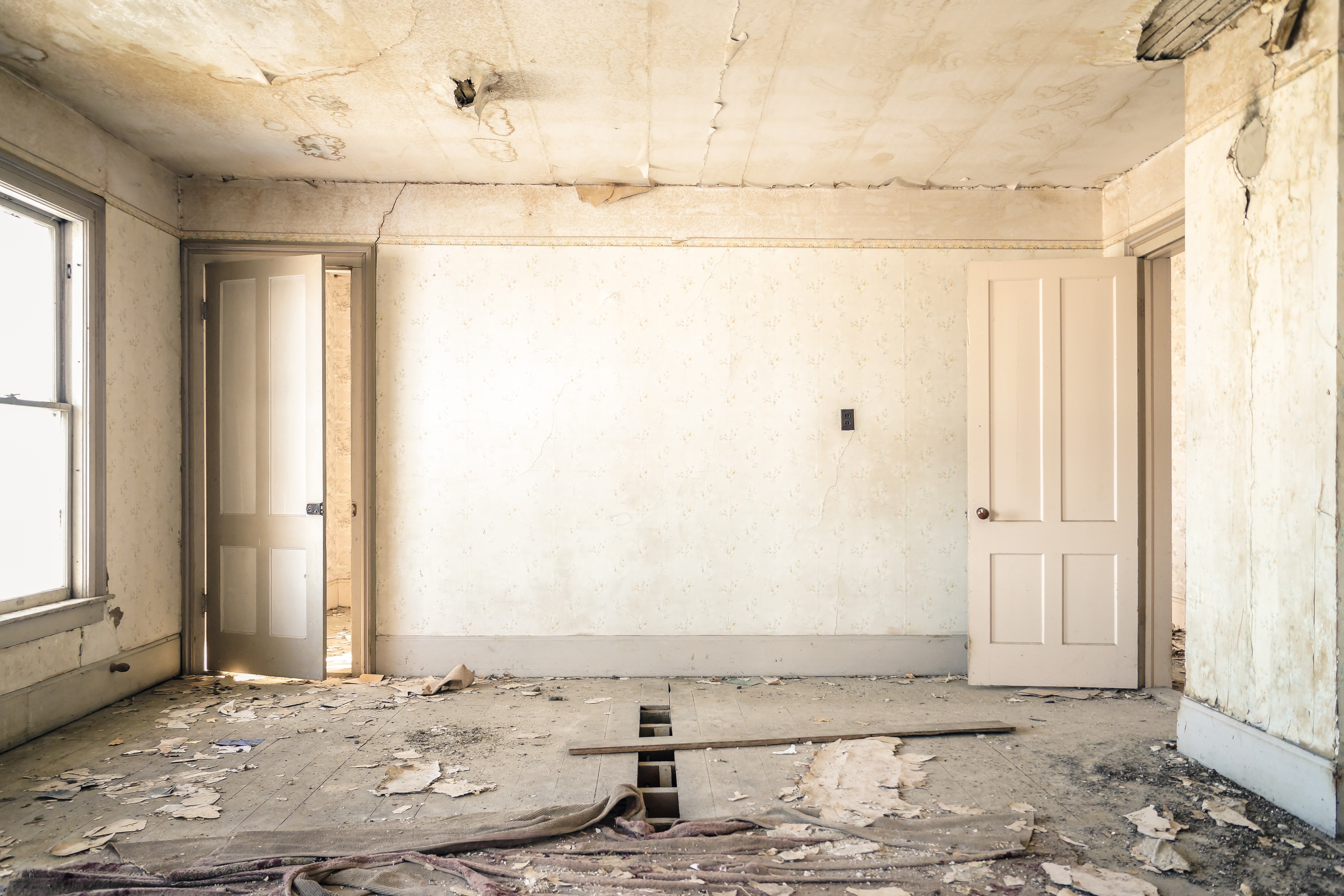
You may not know if you have lead or asbestos. Mold on the other hand typically has a smell and color. You can and should test for everything prior to renovations and honestly, in general if you have concerns. If you do have a problem, abatement firms can handle the safe testing and removal of such dangers when their presence is suspected. Here’s an overview of these three hazards which the NAR article pointed out:
Lead
- Where it’s found: paint, plumbing fixtures, dust and soil in and around a home
- Which homes are most at risk: Properties built prior to 1978, when the federal government banned the use of lead-based paint in home, may be at greater risk. Homeowners are required to disclose the presence of lead-based paint when selling a home. Peeling, chipping and cracking on lead-based paint or lead pipes should be addressed immediately by professionals.
- Health risks: headaches, abdominal pain and anemia, among other health concerns. Lead poisoning is particularly dangerous for children; it can affect brain development, the nervous system and digestive organs.
- What to do: Consult a certified lead professional before renovating, repairing or painting when lead is present. Some home inspectors may even check for lead paint, according to Fixr.com.
Asbestos
- Where it’s found: Asbestos is a mineral composed of thin fibers that was commonly used prior to 1980 in insulation, flooring (e.g. vinyl flooring), roofing felt, board siding and sheathing, popcorn textures on ceilings and other building materials.
- Which homes are most at risk: Homes built before the 1990s. In 1989, the Environmental Protection Agency issued a ban on most products containing asbestos. When asbestos is present and its fibers get damaged or disturbed, they can become airborne and pose a danger when inhaled.
- Health risks: Often, there are no symptoms immediately following asbestos exposure. But in the long run, it can cause lung cancer and mesothelioma.
- What to do: Find out if asbestos materials are present before remodeling. Never saw, sand, scrape or drill holes into suspected asbestos materials. Do not touch or disturb suspected asbestos products. Many states require home sellers to disclose any known presence of asbestos to potential home buyers. If you’re unsure whether a home has asbestos, an abatement professional can take samples for analysis. If asbestos materials are found, they may be sealed or covered to prevent the release of its dangerous fibers inside the home. Often as a last resort, specialists will remove it, but this can be expensive and risky. DIY asbestos removal is not recommended.
Mold
- Where it’s found: Present in newer and older homes, mold can grow in humid places that have current or prior water exposure, such as from leaky roofs, windows or pipes. Mold can thrive in basements, bathrooms and under sinks. Mold also can grow on ceiling tiles and wood products as well as paints, wallpaper, insulation, drywall, carpet and upholstery.
- Which homes are most at risk: Homes with previous water damage and that have a lack of ventilation. Properties in humid climates also are at an elevated risk.
- Health risks: wheezing, red or itchy eyes, skin rashes, and an increased risk among children for developing asthma. Mold also can cause respiratory problems, especially for those with severe allergies.
- What to do: Mold that affects an area of less than 100 square feet inside a home often can be cleaned by the homeowner, with special precautions and productions, according to the EPA. A professional is strongly recommended to handle mold found in any larger space or when it’s caused by flooding or a leaky pipe. Without proper cleanup, mold can continue to spread. Mold growth on any drywall or insulation, for example, will need to be replaced, Tolzmann says. Some insurance companies may cover mold remediation, particularly if caused by a water leak.
Precautions to Take
Whether it’s mold, asbestos, lead or other dangers like radon and pest infestations, experts recommend taking some of the following precautions:
- Follow the laws and disclosures. Be sure to abide by all local and federal laws and regulations when it comes to lead and asbestos abatement, says Artem Kropovinsky, founder of design studio Arsight in New York. Local municipalities often have strict regulations for hazardous substance removal. Also, be sure to disclose the presence of any issues during a home sale. By law, home sellers must disclose the existence of any known lead-based paint as well as the result of any previous testing, for example.
- When in doubt, test it out. Hire a professional to check for lead, asbestos and mold before starting any renovation work. These three house dangers can pose particular health risks when disturbed during the remodeling process. Many companies that provide radon, lead or asbestos inspection services also provide mold assessments. Find a list of state contractors at EPA.gov or ask another health home consultant for recommendations.
- Follow proper procedures for removal. A professional abatement team is trained to safely remove lead, asbestos and mold from inside a home. They likely will wear masks, eye protection, and hazmat suits, as well as take precautions to enclose work areas to prevent it spreading to other parts of the home. Many states may have laws that will need to be followed to ensure safe removal of these products as well.
The main point is that these things need to be taken seriously, but they aren’t irreparable. If you love old homes for their charm and history like myself, just make sure to take precautions and hire good professionals.
Thank you to NAR for the article and highlighting important health hazards in a home. Check out full article.


Leave a comment